-
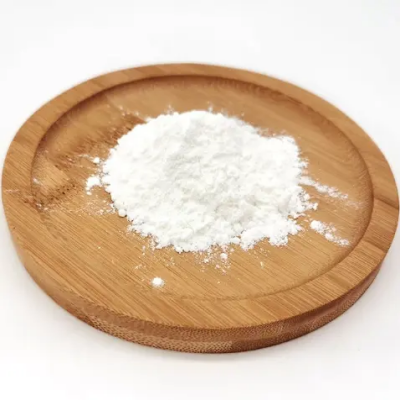
4-Cvanophenylboronsäure CAS:126747-14-6
4-Cyanophenylboronsäure ist eine organische Verbindung mit der Summenformel C7H6BNO2. Sie enthält eine Phenylboronsäuregruppe mit einer an den Phenylring gebundenen Cyanogruppe.
-
4- (Methylsulfonyl)phenylboronsäure CAS:149104-88-1
4-(Methylsulfonyl)phenylboronsäure ist eine organische Verbindung mit der Summenformel C7H9BO4S. Sie enthält eine Phenylboronsäuregruppe, an deren Phenylring eine Methylsulfonylgruppe gebunden ist.
-

3-Cyanophenylboronsäure CAS:150255-96-2
3-Cyanophenylboronsäure ist eine organische Verbindung mit der Summenformel C7H6BNO2. Sie enthält eine Phenylboronsäuregruppe mit einer an den Phenylring gebundenen Cyanogruppe.
-
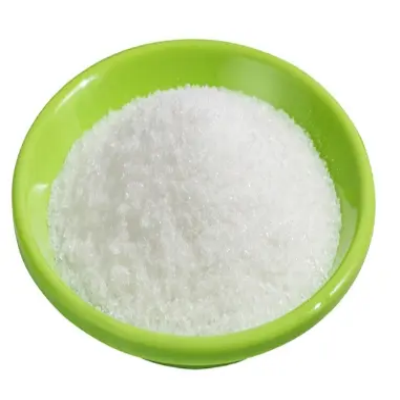
N-Boc-Cis-4-Fluoro-L-prolin CAS:203866-13-1
N-Boc-Cis-4-Fluor-L-prolin ist eine organische Verbindung mit der Summenformel C11H17NO4F. Es ist ein Derivat von Prolin und enthält eine BOC-Schutzgruppe (tert-Butoxycarbonyl) am Stickstoffatom und einen Fluor-Substituenten in cis-Position.
-

6-Amidino-2-naphtholmethansulfonat CAS: 82957-06-0
6-Amidino-2-naphtholmethansulfonat ist eine Verbindung, die in verschiedenen wissenschaftlichen und Forschungsbereichen Anwendung findet. Sie besitzt die Summenformel C₁₃H₁₂N₂O₃S und eine molare Masse von 280,31 g/mol.
-
Bleijodid CAS: 10101-63-0
Bleijodid, auch bekannt als PbI₂, ist eine anorganische Verbindung aus Blei und Jod. Es erscheint als gelber, kristalliner Feststoff mit einem hohen Schmelzpunkt. Aufgrund seiner einzigartigen Eigenschaften findet Bleijodid vielfältige Anwendung.
-
N-BOC-4-0xo-L-Prolin CAS: 84348-37-8
N-BOC-4-oxo-L-prolin ist eine organische Verbindung mit der Summenformel C9H15NO4. Es ist ein Derivat von Prolin und enthält eine BOC-Schutzgruppe (tert-Butoxycarbonyl) am Stickstoffatom.
-
5-Aminouracil CAS:932-52-5
5-Aminouracil, auch bekannt als AUA, ist eine von Uracil abgeleitete chemische Verbindung. Es handelt sich um eine organische Verbindung mit der Summenformel C₄H₆N₂O₂, die als weißer, kristalliner Feststoff vorliegt. 5-Aminouracil findet aufgrund seiner einzigartigen Eigenschaften vielfältige Anwendung.
-
3-Cyanophenylboronsäureneopentylester CAS:214360-45-9
3-Cyanophenylboronsäureneopentylester ist eine organische Verbindung mit der Summenformel C17H22BNO2. Es handelt sich um ein Esterderivat der 3-Cyanophenylboronsäure, bei dem eine Neopentylgruppe an die Boronsäurefunktion gebunden ist.
-
Pyrrol-2-carboxaldehyd CAS:1003-29-8
Pyrrol-2-carboxaldehyd ist eine organische Verbindung mit der Summenformel C5H5NO. Es ist ein Aldehydderivat des Pyrrols.
-
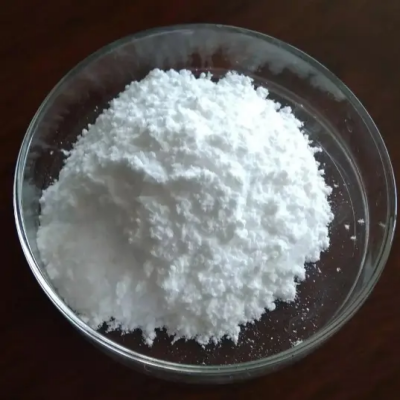
Benzophenonimin CAS: 1013-88-3
Benzophenonimin ist eine organische Verbindung mit der Summenformel C₁₃H₁₁NO. Es ist auch unter den Namen Diphenylmethanimin oder Benzhydrylamin bekannt. Es erscheint als gelblicher Feststoff und gehört zur Klasse der Imine.
-
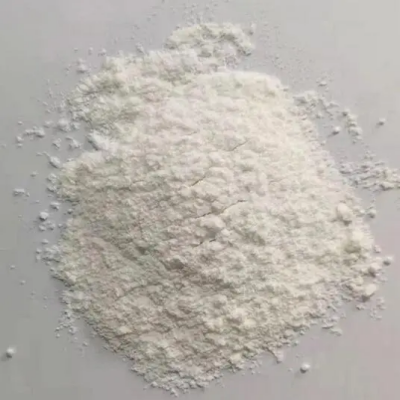
3,5-Dimethyl-1H-pyrrol-2-carbaldehyd CAS:2199-58-8
3,5-Dimethyl-1H-pyrrol-2-carbaldehyd ist eine organische Verbindung mit der Summenformel C8H9NO. Es handelt sich um ein Aldehydderivat des Pyrrols und enthält zwei Methylgruppen am Pyrrolring.

