-
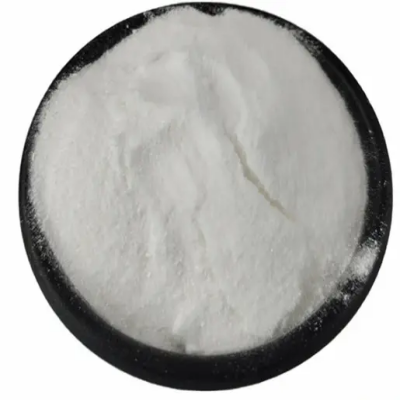
trans-Ethyl-2-((tert-Butoxycarbonyl)amino)cyclohexancarboxylat CAS: 1334880-40-8
trans-Ethyl-2-((tert-butoxycarbonyl)amino)cyclohexancarboxylat ist eine Verbindung mit einem Cyclohexanring, einem Carbonsäureester und einer tert-Butoxycarbonyl(Boc)-geschützten Aminogruppe. Als Ester und geschütztes Aminderivat eignet es sich für verschiedene Substitutions-, Additions- und Kondensationsreaktionen. Die trans-Konfiguration des Cyclohexanrings verleiht ihm eine definierte dreidimensionale Geometrie.
-
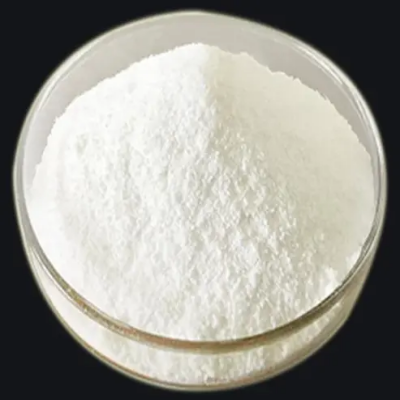
tert-Butyl-1-isopropyl-6-oxopiperidin-3-ylcarbamat CAS:2891599-72-5
tert-Butyl-1-isopropyl-6-oxopiperidin-3-ylcarbamat ist eine heterocyclische Verbindung mit einem Piperidinring, der mit einer Isopropylgruppe, einem Keton und einer tert-Butoxycarbonyl-Schutzgruppe substituiert ist. Diese Struktur kann über ihre Keton- und Carbamatgruppen nukleophile Additionen und Substitutionen eingehen.
-
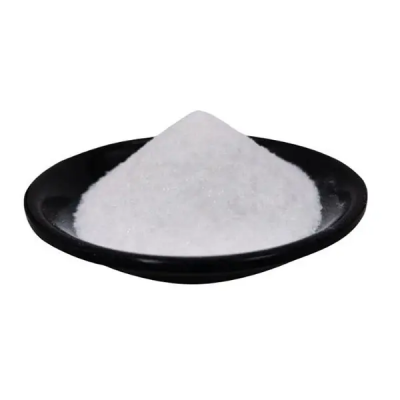
trans-tert-Butyl-4-(2-hydroxycyclohexyl)piperazin-1-carboxylat CAS: 943906-69-2
trans-tert-Butyl-4-(2-hydroxycyclohexyl)piperazin-1-carboxylat ist ein Molekül, das einen Piperazinring enthält, der mit tert-Butylcarbamat und Cyclohexylalkohol substituiert ist. Diese Struktur ermöglicht durch ihre reaktiven funktionellen Gruppen die Teilnahme an vielfältigen Substitutions-, Oxidations- und Additionsreaktionen.
-

2,2,2-Trifluor-1-(6-methoxy-1H-indol-3-yl)ethan-1-on CAS: 676476-94-1
2,2,2-Trifluor-1-(6-methoxy-1H-indol-3-yl)ethan-1-on ist eine chemische Verbindung, die als Zwischenprodukt in der organischen Synthese dient. Sie enthält sowohl einen Indolring als auch eine Trifluoracetylgruppe, wodurch sie an Reaktionen wie nukleophiler Substitution und Redoxreaktionen teilnehmen kann. Die Trifluoracetylgruppe aktiviert das α-Kohlenstoffatom für Reaktionen mit starken Nukleophilen unter milden Bedingungen.
-
![Octahydrocyclopenta[b][1,4]oxazinhydrochlorid CAS: 1616436-40-8 1197767-62-6](https://cdn.globalso.com/xindaobiotech/GRKLPVJ3QSJRM99.png)
Octahydrocyclopenta[b][1,4]oxazinhydrochlorid CAS: 1616436-40-8 1197767-62-6
Octahydrocyclopenta[b][1,4]oxazinhydrochlorid ist ein verbrücktes heterocyclisches System, das einen an einen Cyclopentanring kondensierten Sauerstoffheterocyclus enthält. Dieses Salz nimmt über den basischen Stickstoff und das reaktive Ringsystem an verschiedenen Substitutions-, Additions- und Kondensationsreaktionen teil.
-
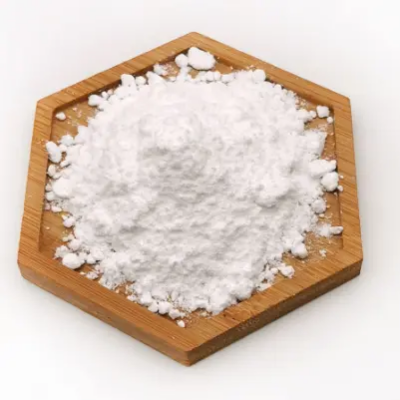
2-tert-Butyl-8-methyl-5-amino-3,4-dihydroisochinolin-2,8(1H)-dicarboxylat CAS:2757925-41-8
2-tert-Butyl-8-methyl-5-amino-3,4-dihydroisochinolin-2,8(1H)-dicarboxylat ist ein heterocyclisches Grundgerüst mit einem Isochinolinsystem, das mit Amino-, Methyl- und tert-Butylestergruppen substituiert ist. Diese komplexe Struktur ermöglicht durch ihre reaktiven funktionellen Gruppen vielfältige nukleophile Additions-, Substitutions- und Decarboxylierungsreaktionen.
-
Methyl-1-(4-bromphenyl)-3,3-dimethoxycyclobutancarboxylat CAS:2273863-76-4
Methyl-1-(4-bromphenyl)-3,3-dimethoxycyclobutancarboxylat ist ein cyclischer Ester mit einem an eine Bromphenylgruppe kondensierten Cyclobutanring, der mit zwei Methoxygruppen und einem Methylester substituiert ist. Diese komplexe Struktur ermöglicht durch ihre reaktiven Zentren die Teilnahme an verschiedenen Cyclisierungs-, Substitutions-, Additions- und Esterhydrolysereaktionen.
-
3-(2-Fluorphenyl)-isoxazol-5-carbaldehyd CAS: 808740-52-5
3-(2-Fluorphenyl)-isoxazol-5-carbaldehyd ist ein heterocyclischer Aldehyd mit einem an einen fluorierten Benzolring kondensierten Isoxazolring. Die Formyl- und Fluorsubstituenten ermöglichen vielfältige Reaktivitäten. Als Isoxazolderivat kann es Substitutions- und Additionsreaktionen am heterocyclischen System eingehen. Die Aldehydfunktion eröffnet zahlreiche Möglichkeiten für Kondensationsreaktionen.
-
7-Methoxychinolin-3-amin CAS: 87199-83-5
7-Methoxychinolin-3-amin ist ein aromatisches Amin mit einem Chinolinring, der eine Methoxy- und eine Aminogruppe trägt. Die elektronenspendende Methoxygruppe macht das Chinolinsystem anfällig für elektrophile aromatische Substitutionen. Die Aminogruppe ermöglicht hingegen nukleophile Reaktionen. Diese Funktionalitäten erlauben vielfältige Reaktionswege zur Strukturmodifikation und -erweiterung.
-

7-Methoxychinolin-3-amin CAS: 87199-83-5
7-Methoxychinolin-3-amin ist ein aromatisches Amin mit einem Chinolinring, der eine Methoxy- und eine Aminogruppe trägt. Die elektronenspendende Methoxygruppe macht das Chinolinsystem anfällig für elektrophile aromatische Substitutionen. Die Aminogruppe ermöglicht hingegen nukleophile Reaktionen. Diese Funktionalitäten erlauben vielfältige Reaktionswege zur Strukturmodifikation und -erweiterung.
-

Methyl-2-(1,4-diazepan-1-yl)acetat-Hydrochlorid CAS: 926223-03-2
Methyl-2-(1,4-diazepan-1-yl)acetat-Hydrochlorid ist ein Salz, das einen an einen 1,4-Diazepanring gebundenen Methylester enthält. Diese Struktur geht nukleophile Substitutions- und Additionsreaktionen ein, wobei der basische Stickstoff des Diazepans und die Esterhydrolyse am Carboxylat beteiligt sind.
-

Ethyl trans-2-amino-1-cyclohexancarboxylathydrochlorid CAS:28250-14-8
Ethyl-trans-2-amino-1-cyclohexancarboxylat-Hydrochlorid ist eine organische Verbindung mit einer Amino- und einer Carbonsäureestergruppe. Es liegt als weißes, festes Salz vor, das durch Reaktion von Salzsäure mit der Aminogruppe des Moleküls entsteht. Die trans-Konfiguration der Aminogruppe verleiht ihm eine definierte dreidimensionale Struktur. Aufgrund der Reaktivität der Amino- und Carbonsäureestergruppen kann diese Verbindung an verschiedenen Substitutions-, Additions- und Kondensationsreaktionen teilnehmen.

